

Transforming Wellness And Sustainability At Englewood Hospital With Hydr8: Case Study on Enhancing Health, Wellness, and Environmental Responsibility
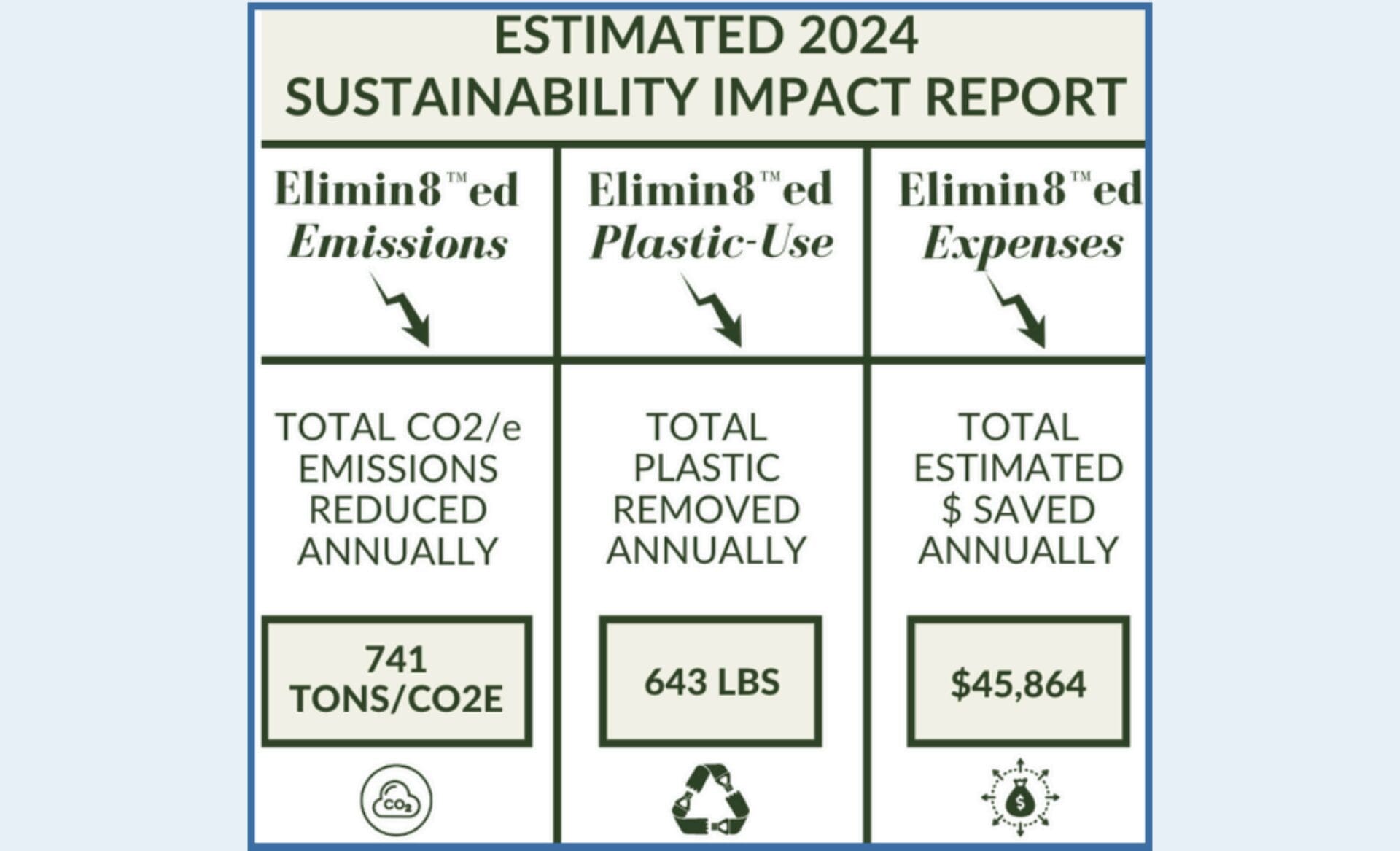
Englewood Hospital, the Englewood, NJ healthcare campus at 350 Engle St, partnered with HYDR8 to replace plastic 5-gallon water jugs with more than 150 point-of-use filtration systems across its facilities. The results documented in this case study: an estimated $45,864 in annual operational savings from eliminating jug purchasing, storage, and disposal; 741+ tons of CO2e emissions reduced through sustainable sourcing practices; and 643 pounds of plastic removed from circulation. The filtration systems were designed to reduce harmful contaminants including PFAS while eliminating the chemical leaching risk associated with plastic jugs. For a hospital that runs on wellness, the switch improved water safety for patients and staff, freed up storage and delivery logistics, and set a sustainability benchmark other healthcare facilities can copy.
Introduction
This case study highlights Englewood Hospital’s successful partnership with HYDR8, transforming their approach to health and environmental responsibility. By addressing challenges like plastic waste and water safety, the hospital installed over 150 water filtration systems, improving efficiency and setting a new standard for sustainability in healthcare. This initiative demonstrates how hospitals can enhance wellness for patients and staff while positively impacting the environment.
Hospital Overview:
Englewood Hospital, situated at 350 Engle St, Englewood, NJ, is well-known for its comprehensive approach to health and wellness. The hospital emphasizes the physical well-being of its patients and staff while also considering the broader environmental and operational factors that influence their care. Englewood’s commitment to providing high-quality care has earned it recognition within the healthcare sector, as the hospital consistently seeks to improve both its medical practices and the environment in which care is delivered.
Sustainability Commitment:
Englewood Hospital’s sustainability mission is rooted in reducing its environmental impact while increasing operational efficiency. This focus on sustainability extends beyond the typical scope of healthcare operations, as the hospital strives to be a leader in environmental responsibility. Englewood understands that maintaining a sustainable facility is directly linked to improving public health, and as such, the hospital actively seeks innovative ways to reduce its waste, energy consumption, and carbon footprint.
Partnership with HYDR8:
To address its water safety and sustainability goals, Englewood Hospital partnered with HYDR8, a company known for providing cutting-edge water filtration solutions. The partnership was formed with the objective of replacing the hospital’s reliance on plastic 5-gallon jugs, which contributed to waste and operational inefficiencies. Englewood aimed to implement a comprehensive water filtration system that would ensure a reliable, safe, and sustainable water source for both patients and staff.
The Challenge
Englewood Hospital faced three primary challenges in its pursuit of enhanced wellness and sustainability:
- Wellness concerns
- Environmental impact
- Operational burden
Wellness Concerns
Englewood Hospital faced significant health risks associated with its continued use of plastic jugs. Over time, plastic can leach harmful chemicals into the water, especially when exposed to heat or prolonged storage. Furthermore, plastic water dispensers that aren’t properly cleaned are prone to mold and bacterial growth, which can compromise the safety of the drinking water. These risks posed potential dangers to both patients, who rely on hydration for recovery, and staff, whose performance is impacted by their access to clean and safe drinking water.
Environmental Impact
Englewood Hospital’s reliance on plastic 5-gallon jugs created a significant environmental burden. The plastic waste generated from these jugs not only conflicted with the hospital’s long-term sustainability objectives but also contributed to broader environmental issues such as pollution and resource depletion. With the healthcare sector increasingly under pressure to adopt more sustainable practices, Englewood recognized the urgent need to reduce its plastic consumption and minimize its environmental footprint.
Operational Burden
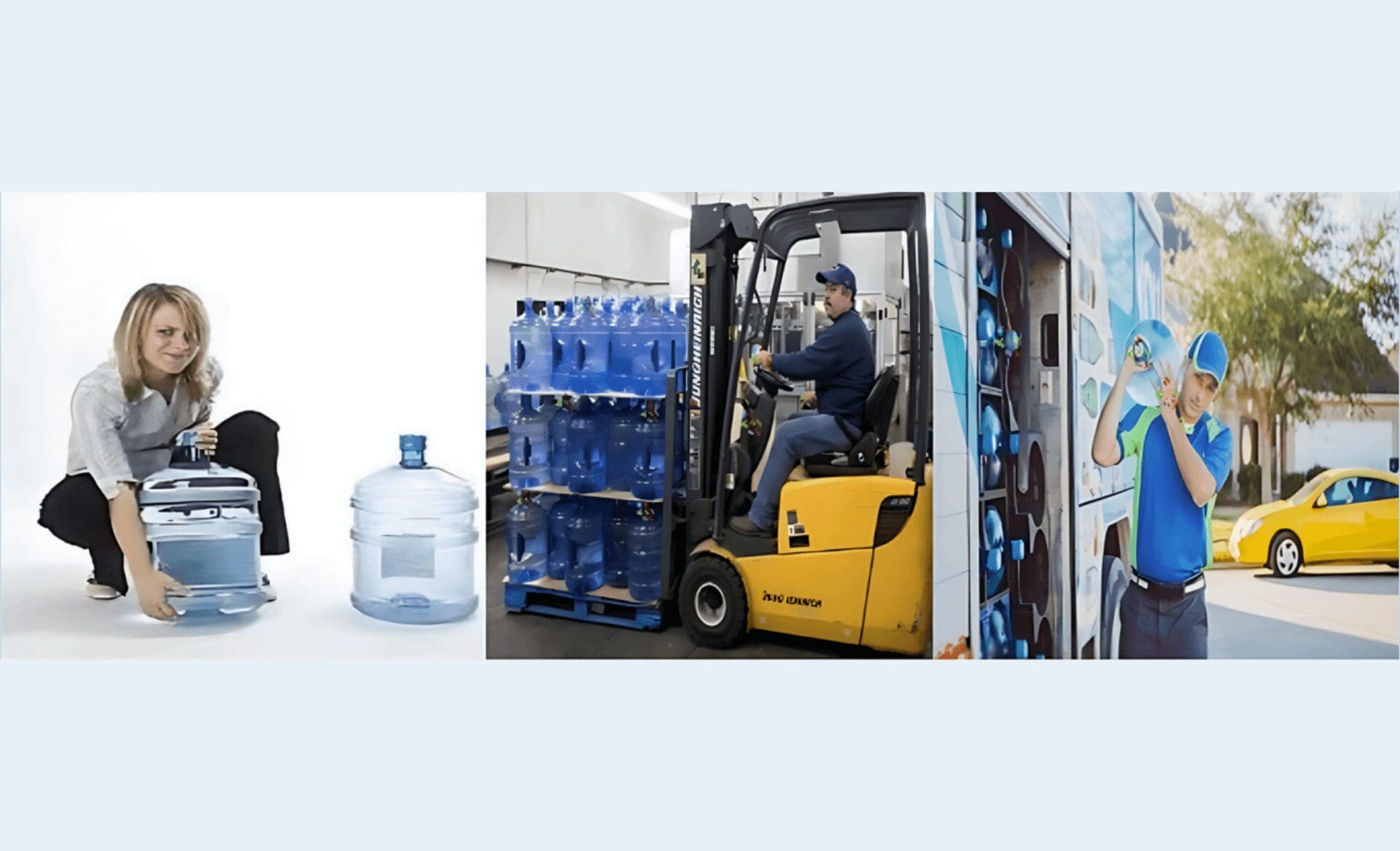
The logistics of managing plastic jugs presented a persistent operational challenge for Englewood Hospital. The need to transport, store, and dispose of these large quantities of plastic not only added unnecessary costs but also created inefficiencies within the hospital’s day-to-day operations. These logistical burdens disrupted workflows, increased operational expenses, and detracted from the hospital’s focus on delivering the highest standard of care to its patients.
Hydration Station Solution
Enhanced Health and Safety
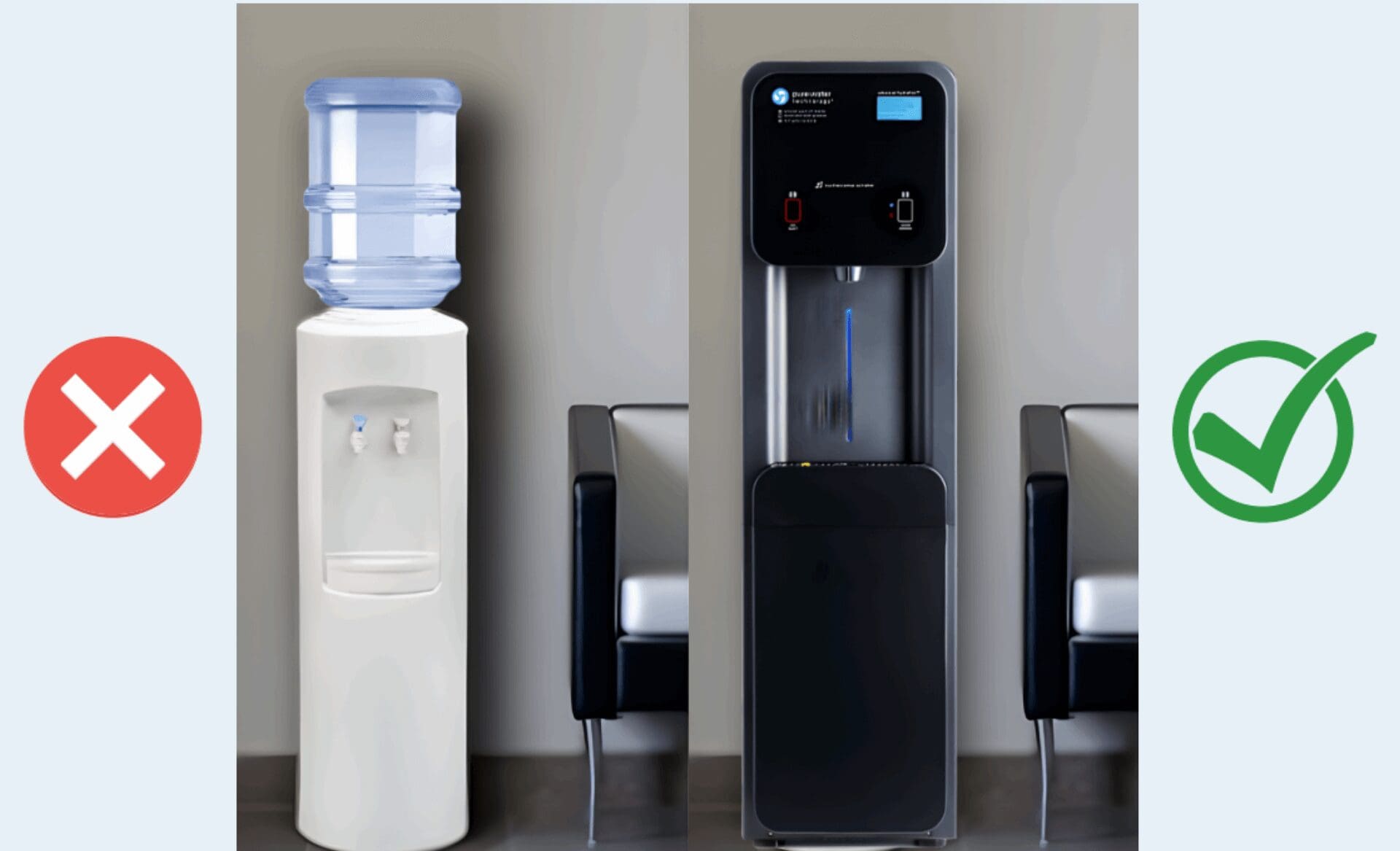
To mitigate the risks of chemical leaching and water contamination from plastic jugs, HYDR8’s advanced filtration systems were designed to remove harmful contaminants, including PFAS. This provided patients, staff, and visitors with consistent access to clean, safe drinking water. This shift ensured that the water quality met the highest standards, supporting both patient recovery and staff health. This proactive approach to wellness created a safer environment for everyone in the hospital.
Elimination of Plastic Waste
HYDR8’s filtration systems eliminated the need for plastic 5-gallon jugs, drastically reducing Englewood Hospital’s plastic waste. This shift aligned with the hospital’s sustainability goals by significantly lowering its environmental impact and plastic consumption.
Cost Efficiency
By replacing plastic jugs with over 150 filtration systems, HYDR8 simplified operation, removing the need for deliveries and storage. This solution also reduced costs, with annual savings of $45,864, which could be reinvested in patient care.
Results
Englewood Hospital’s implementation of HYDR8’s advanced filtration systems has yielded impressive results, significantly advancing the firm’s health, sustainability, and operational efficiency goals:
Emissions Reduction:
- 741+ tons/CO2e reduced via sustainable sourcing practices.
Cost Savings:
- An estimated $45,864 saved in operational costs achieved through decreased waste disposal expenses and eliminating the need to purchase, store, and dispose of plastic jugs.
Plastic Waste Reduction:
- 643 lbs of plastic removed from circulation by eliminating single-use plastic bottles and 5-gallon jugs.
Conclusion
The partnership between Englewood Hospital and HYDR8 in deploying the water filtration solution has been a resounding success!
Achievements & Implications
The implementation of HYDR8’s filtration system has significantly improved health outcomes, reduced operational inefficiencies, and minimized environmental impact by eliminating plastic waste. These actions underscore the hospital’s dedication to sustainable practices.
This initiative sets a new benchmark for sustainability in the healthcare sector, demonstrating how innovative solutions can drive meaningful improvements in patient care, staff wellness, and environmental responsibility.

Frequently Asked Questions
How many water filtration systems did Englewood Hospital install with HYDR8?
Englewood Hospital installed over 150 water filtration systems through their partnership with HYDR8. This comprehensive installation was part of their initiative to replace plastic 5-gallon jugs and improve water safety for both patients and staff while reducing environmental impact.
What water safety risks do plastic water jugs pose in hospitals?
Plastic water jugs in hospitals can leach harmful chemicals into water, especially when exposed to heat or prolonged storage. Additionally, plastic water dispensers that aren’t properly cleaned are prone to mold and bacterial growth, which can compromise drinking water safety. These risks pose potential dangers to both patients who rely on hydration for recovery and staff whose performance depends on access to clean, safe drinking water.
How do water filtration systems reduce plastic waste in healthcare facilities?
Water filtration systems reduce plastic waste by eliminating the need for plastic 5-gallon jugs that create significant environmental burden. Healthcare facilities like Englewood Hospital can minimize their plastic consumption and environmental footprint by replacing these disposable containers with permanent filtration solutions. This approach helps healthcare facilities align with sustainability objectives while reducing pollution and resource depletion.
What operational challenges do hospitals face with plastic water jugs?
Hospitals face significant logistical burdens when managing plastic water jugs, including the need to transport, store, and dispose of large quantities of plastic containers. These operations add unnecessary costs, create inefficiencies in day-to-day workflows, and increase operational expenses. The logistical challenges also detract from hospitals’ primary focus of delivering the highest standard of patient care.
Why did Englewood Hospital choose HYDR8 for their water filtration needs?
Englewood Hospital partnered with HYDR8 because the company is known for providing cutting-edge water filtration solutions that aligned with the hospital’s water safety and sustainability goals. The partnership aimed to replace the hospital’s reliance on plastic 5-gallon jugs and implement a comprehensive filtration system that would ensure a reliable, safe, and sustainable water source for both patients and staff.
Related Articles
- Employee Wellness Programs: Why Water Quality Matters 2026
- Sustainable Solutions: HYDR8’S Zero Waste Pantry™ At Kirkland & Ellis LLP: A Case Study on Enhancing Sustainability and Operational Efficiency
- Healthcare Facility Water Requirements in New York: Complete Guide 2026
Questions about water, coffee, or your break room program? Email [email protected] and the HYDR8 team will map the right setup for your facility.
Get Your Free Trial
Ready to prove the ROI in your own facility? HYDR8 offers free trials for NYC and New Jersey commercial facilities. Experience our 24-48 hour service response, predictable costs, and superior water quality before making any commitment. No long-term contracts required.
Recent Articles


